
Table of Contents
Every marriage goes through rough patches. Some days feel easy and connected, while others leave you wondering if you’re on the same team anymore. If you’re reading this, you might be asking yourself whether it’s time to seek marriage relationship counseling. The good news? Recognising that you need help is actually a sign of strength, not failure.
When Should You Consider Marriage Relationship Counseling?
Many couples wait far too long before reaching out for help. Studies show that partners wait an average of six years with problems before seeking therapy, and by then, resentment has often built up significantly. The truth is, you don’t need to wait until things are falling apart to benefit from couples counselling Calgary or online support.
Clear Signs It’s Time to Seek Help
Communication Has Broken Down
When every conversation turns into an argument, or worse, when you’ve stopped talking altogether, it’s time to consider professional help. You might find yourselves having the same fights over and over without any resolution. Maybe you’re talking, but nobody’s really listening. These patterns don’t fix themselves—they need intervention.
You Feel More Like Roommates Than Partners
If the romance, intimacy, and emotional connection have disappeared from your relationship, marriage, a relationship counseling can help. When you’re simply coexisting rather than truly connecting, something needs to change. You deserve more than just living parallel lives under the same roof.
Trust Has Been Damaged
Whether it’s infidelity, financial secrets, or broken promises, trust issues can poison a relationship. Rebuilding trust is possible, but it requires professional guidance. A trained therapist provides a safe space to work through betrayal and develop strategies to prevent future issues.
Constant Conflict and Resentment
If you find yourselves arguing about everything—from small annoyances to major life decisions—therapy can help. When blame and defensiveness have become your default responses, a counselor can teach you healthier ways to handle disagreements.
You’re Considering Separation
Sometimes couples come to therapy when one partner has already decided to leave. While this makes the work more challenging, marriage relationship counseling can still help. It can either provide tools to rebuild the relationship or offer a healthier path forward if separation is inevitable.
What to Expect in Your First Session
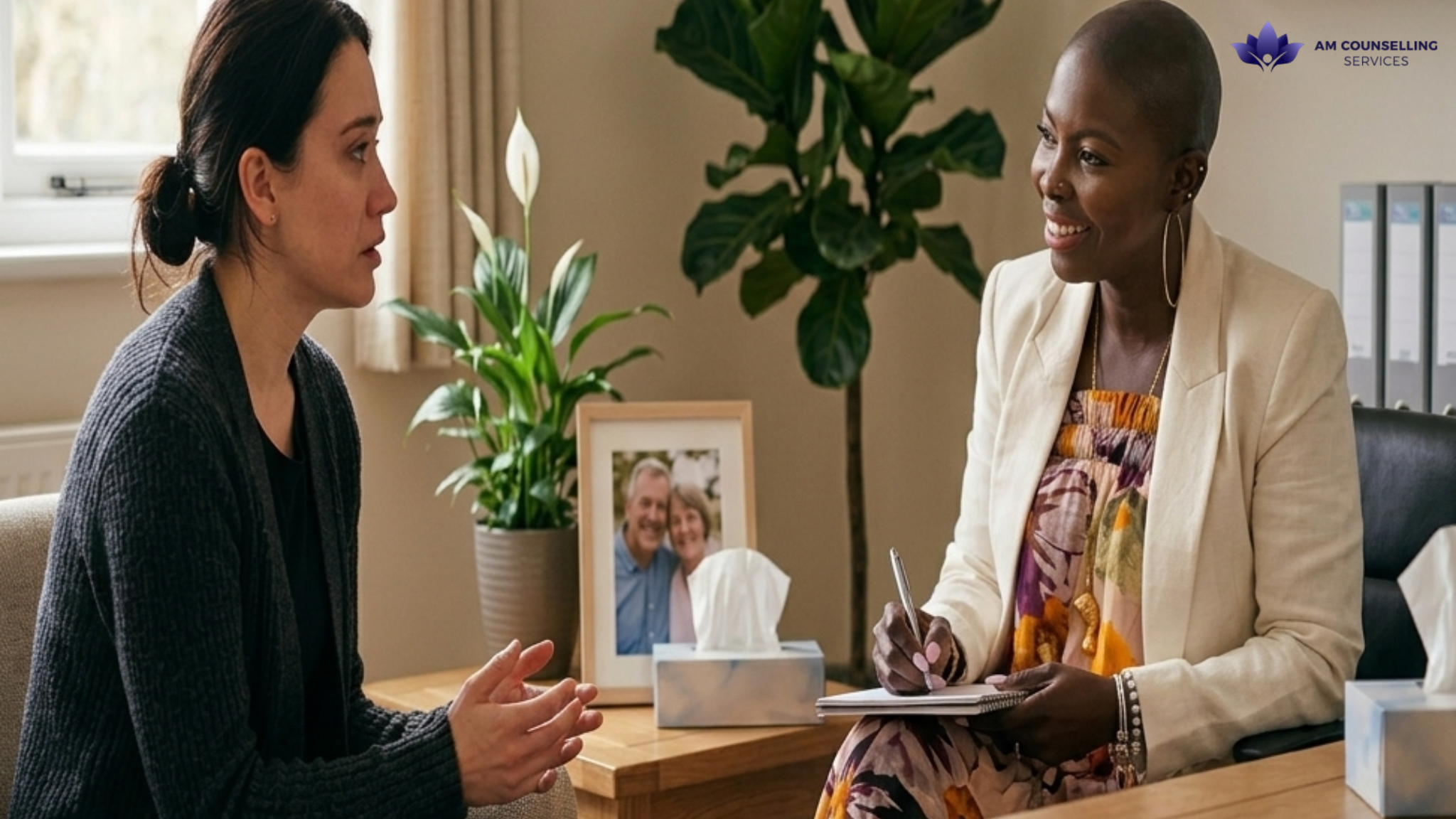
Walking into your first counseling session can feel nerve-wracking. You’re opening up about personal struggles to a stranger while sitting next to your partner. That’s completely normal. Here’s what typically happens:
The Initial Meeting
Your therapist will start by getting to know you both. You’ll discuss how you met, what brought you together, and what’s bringing you to therapy now. Don’t worry—you won’t need to share everything in detail right away. The counselor will guide the conversation and make sure both partners feel heard.
You’ll likely fill out some basic paperwork covering confidentiality, fees, and session policies. This administrative part might feel tedious, but it’s important for establishing a professional relationship.
Setting Goals Together
One of the most important parts of that first session is establishing what you want to achieve. Your goals might include:
- Learning to communicate without fighting
- Rebuilding emotional or physical intimacy
- Making important decisions together
- Understanding each other’s needs better
- Deciding whether to stay together or separate
It’s okay if you and your partner have different goals initially. A skilled therapist will help bridge those differences and find common ground.
Understanding the Process
Research shows marriage counseling is effective for many couples, particularly when therapy begins early and both partners are motivated. Your counselor will explain their approach and what you can expect in future sessions. Some therapists use specific methods like Emotionally Focused Therapy or the Gottman Method, both of which are backed by research.
You’ll also discuss practical matters like how often to meet (usually weekly or bi-weekly) and how long therapy might take. There’s no fixed timeline—some couples see improvement in a few months, while others benefit from longer-term support.
What Makes Marriage Relationship Counselling Work?
Success in marriage counselling depends on a few key factors:
Both Partners Need to Participate
Counseling works best when both people are willing to show up, be honest, and do the work—both in sessions and at home. Your therapist might assign “homework” like practicing communication skills or spending quality time together. These aren’t busywork; they’re essential to making lasting changes.
Timing Matters
The earlier you seek help, the better. Don’t wait until you’re on the brink of divorce. If you’re noticing warning signs, reach out now. Prevention is always easier than crisis management.
Finding the Right Fit
Your relationship with your therapist matters just as much as the therapy itself. It might take a few sessions to build rapport, but you should feel comfortable and understood. If something doesn’t feel right, it’s okay to try a different counselor.
Accessing Support: In-Person and Online Options
Modern couples have more options than ever for accessing help. If you’re in Calgary, you can find experienced couples counselling Calgary professionals who understand the unique challenges local families face. But geography doesn’t have to be a barrier—relationship counselling online has become increasingly popular and effective.
Online counseling offers several advantages:
- Flexibility with scheduling
- Comfort of attending from home
- Access to specialists who might not be local
- Often, more affordable options
Whether you choose in-person or online sessions, what matters most is finding a qualified therapist who specialises in marriage and relationship counseling and makes both of you feel safe.
Taking the First Step
If you’ve been thinking about marriage relationship counseling, trust that instinct. Your relationship is worth fighting for, and seeking help isn’t giving up—it’s choosing to invest in your future together.
At AM Counselling Services Calgary, I, Ayen Mabor, a registered Social Worker, understand how difficult it can be to reach out. But don’t worry, I create a welcoming, judgment-free environment where couples can explore their challenges and rediscover their connection. Whether you’re dealing with communication issues, trust concerns, or simply want to strengthen your bond, I’m here to help.
Don’t wait another six years. The sooner you address the issues in your relationship, the better your chances of creating the marriage you both deserve. Reach out today and take that important first step toward healing and growth.