Table of Contents
Grief can feel overwhelming, disorienting, and deeply personal. After the loss of a loved one — or any major loss — many people struggle to function, make decisions, or manage daily emotions. This is where a grief counsellor plays a critical role. A trained grief counsellor provides structured emotional support, evidence-based coping tools, and a safe space to process loss in a healthy way.
Whether your grief is recent or long-standing, professional grief counselling in calgary can help you move from emotional survival toward gradual healing. This guide explains exactly what a grief counsellor does, how the process works, and what you can realistically expect.
What Is a Grief Counsellor?
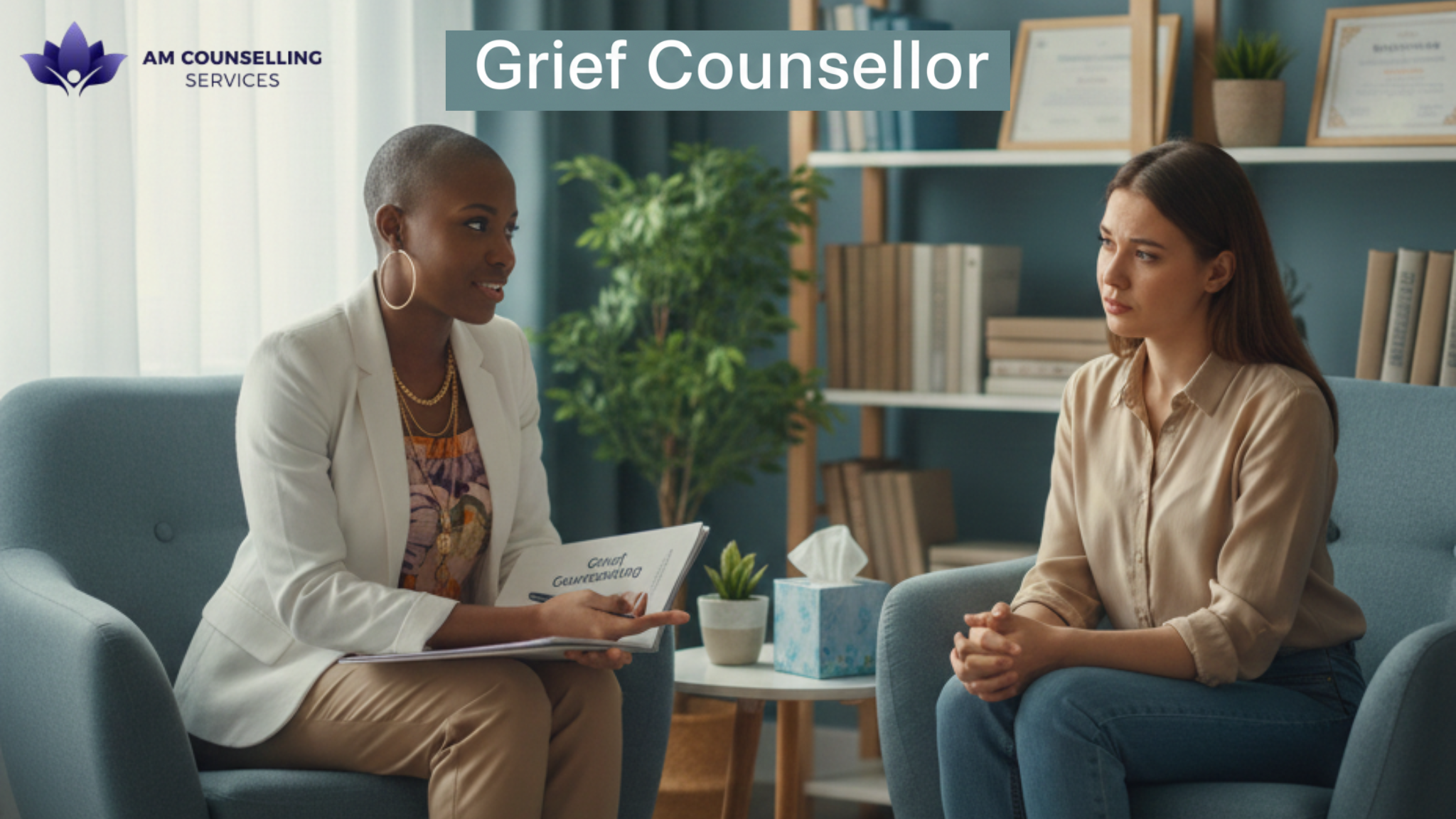
A grief counsellor is a trained mental health professional who specializes in helping individuals cope with loss, bereavement, and major life transitions linked to grief. They may come from backgrounds such as:
- Counselling psychology
- Clinical social work
- Psychotherapy
- Mental health counselling
Their role is not to “remove” grief — because grief is a natural human response — but to help you process it safely, understand it, and adapt to life after loss.
Grief counsellors support people experiencing:
- Death of a loved one
- Miscarriage or pregnancy loss
- Divorce or relationship loss
- Loss of health or ability
- Sudden traumatic loss
- Anticipatory grief (expected loss)
- Complicated or prolonged grief
Why Grief Support Matters (What Research Shows)
Grief affects both mental and physical health. According to major mental health organizations and bereavement research:
- Prolonged grief can increase risk of depression, anxiety, and sleep disorders
- Bereavement is associated with higher short-term cardiovascular stress risk
- Structured grief therapy has been shown to significantly reduce complicated grief symptoms (Journal of Consulting and Clinical Psychology findings)
Because grief often overlaps with mood conditions, many clients benefit from combined care such as Depression Counselling or working with an Anxiety Therapist when symptoms extend beyond bereavement reactions.
Professional grief support improves emotional regulation, reduces isolation, and helps restore functional coping patterns.
What Does a Grief Counsellor Actually Do in Sessions?
A grief counsellor uses structured therapeutic methods — not just conversation — to guide healing. Sessions are tailored, but typically include the following core components:
Emotional Processing Support
A grief counsellor helps you:
- Express difficult emotions safely
- Talk about the loss without judgment
- Work through guilt, anger, regret, or unresolved feelings
- Normalize grief reactions
When grief includes irritability or emotional outbursts, sessions may also integrate tools commonly used in anger management and counseling to improve emotional regulation and response control.
Many people suppress grief. Counselling creates permission and structure to process it.
Grief Education
Understanding grief reduces fear and confusion. Your grief counsellor explains:
- Stages and waves of grief
- Why emotions fluctuate
- How grief affects the brain and body
- What reactions are normal vs concerning
This psychoeducation reduces self-blame and emotional shock.
Coping Strategy Development
A grief counsellor teaches practical coping tools such as:
- Emotional grounding techniques
- Trigger management strategies
- Memory processing exercises
- Rituals and remembrance practices
- Stress regulation methods
These tools are often drawn from broader Emotional Therapy frameworks and adapted specifically for grief-related triggers and adjustment stress.
Complicated Grief Assessment
Some grief becomes “stuck” or prolonged. A grief counsellor screens for:
- Complicated grief disorder
- Trauma-related grief
- Depression overlap
- Anxiety disorders
- Functional impairment
If needed, they coordinate with other mental health professionals.
Meaning Reconstruction Work
Modern grief therapy often focuses on meaning reconstruction — helping clients rebuild identity and purpose after loss.
This may include:
- Redefining roles and routines
- Legacy reflection work
- Values-based future planning
- Narrative therapy approaches
Therapy Methods Used by a Grief Counsellor
Grief counselling is not one-size-fits-all. Professionals often draw from evidence-based modalities:
Common Approaches:
- Cognitive Behavioral Therapy (CBT)
- Complicated Grief Therapy (CGT)
- Narrative Therapy
- Acceptance and Commitment Therapy (ACT)
- Trauma-informed therapy
- Supportive talk therapy
The method depends on grief type, personality, and emotional readiness.
Who Should See a Grief Counsellor?
You don’t need to be in crisis to benefit. Consider seeing a grief counsellor if you notice:
- Persistent emotional numbness
- Intense guilt or blame
- Avoidance of reminders
- Sleep disruption lasting weeks
- Difficulty functioning at work or home
- Social withdrawal
- Panic when thinking about the loss
- Grief lasting longer than expected without easing
Early support often prevents complicated grief patterns.
What Happens in the First Session With a Grief Counsellor?
Your first session is typically structured but gentle.
Expect:
- Discussion of your loss and timeline
- Emotional impact assessment
- Coping history review
- Goal setting for therapy
- Explanation of counselling approach
- Safety and support planning
There is no pressure to “perform” or share everything immediately.
How Long Does Grief Counselling Usually Last?
Duration varies based on:
- Type of loss
- Emotional complexity
- Support system
- Trauma factors
- Personal coping style
Typical ranges:
- Short-term support: 6–12 sessions
- Moderate support: 3–6 months
- Complicated grief: longer-term therapy
Progress is measured by emotional stability and functional recovery — not by “forgetting” the loss.
Benefits of Working With a Grief Counsellor
Clients commonly report:
- Reduced emotional overwhelm
- Better sleep and concentration
- Healthier emotional expression
- Reduced guilt and self-blame
- Improved coping skills
- Stronger resilience
- Renewed sense of direction
Healing does not mean forgetting — it means adapting.
Final Thought
Grief doesn’t need to be “fixed” — it needs the right support. Through professional counselling services in Calgary, you can receive compassionate, structured guidance to help you process loss and restore emotional balance. You don’t have to face it on your own. With the right support, healing becomes more manageable, more grounded, and more achievable — one step at a time.
Frequently Asked Questions
How is a grief counsellor different from a therapist?
A grief counsellor specializes specifically in loss and bereavement, while a general therapist treats a wider range of mental health concerns. Many therapists also provide grief counselling, but specialists focus deeply on grief models and recovery frameworks.
Is seeing a grief counsellor worth it?
Yes — especially if grief is affecting daily functioning, relationships, or mental health. Research shows structured grief therapy improves coping and reduces prolonged grief symptoms.
Can a grief counsellor help with delayed grief?
Absolutely. Delayed grief is common. A grief counsellor helps safely process emotions that surface months or years later.
Do grief counsellors prescribe medication?
No. Grief counsellors do not prescribe medication. If medication support is needed, they may refer you to a psychiatrist or physician.
What if I feel worse after grief counselling starts?
Temporary emotional intensity can happen when processing grief. This is normal and usually stabilizes with continued support and coping tools.